 Toronto Spring Festival
Cash or in-kind sponsorship? Prepare a clear 2027 partnership proposal
Choose the partnership, then describe the contribution
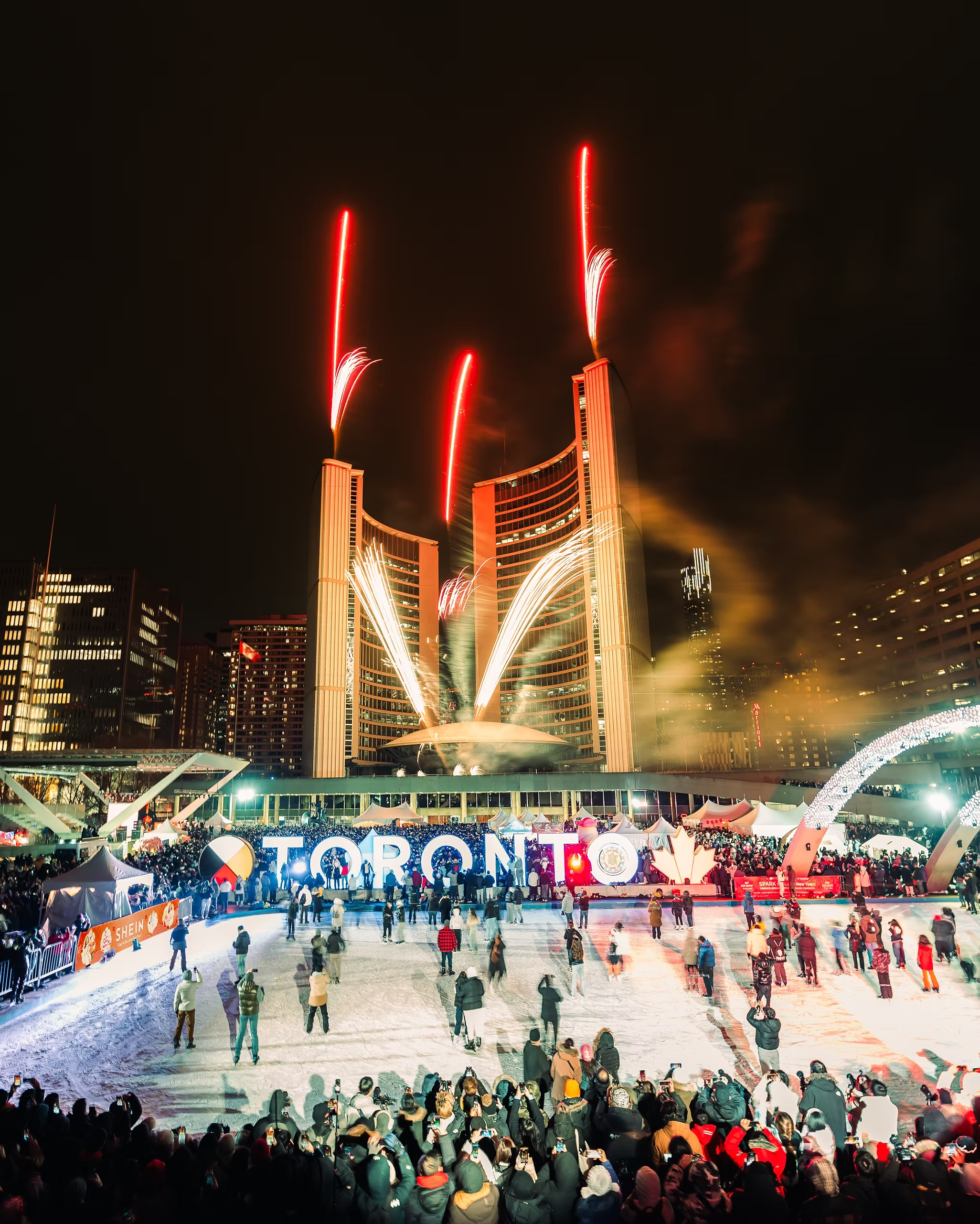
Toronto Spring Festival 2027 is planned for Nathan Phillips Square, Toronto City Hall, with setup on February 5 and free public activities on February 6-7. Businesses can approach the organizers about sponsorship or a corporate promotion booth; food booths and food trucks use the vendor application route.
Cash sponsorship, product support and a booth are different proposals. Start by stating which you are offering or requesting. This guide helps you prepare a brief; it does not announce accepted sponsors, available placements or an open entitlement to distribute products.
1. Keep cash support and activation costs separate
For a cash proposal, describe the contribution you are considering, the visitor or community experience it could support and when your business needs a decision. Identify the person authorized to discuss the proposal and a business contact email.
Keep your own display production, staffing, transport and equipment costs separate from the proposed contribution. A request for brand recognition is not the same as a purchase of guaranteed impressions. Ask the organizers to describe the scope they can actually review before your team commissions artwork or books suppliers.
2. Make product and in-kind offers specific
An in-kind proposal should name the product or service, quantity, intended use and any limitations. Explain why it would be useful to visitors or event operations. Avoid sending a catalogue without saying what you are offering and who would receive it.
Describe packaging, relevant ingredient or product information, storage needs, usable dates and delivery arrangements. Identify who would transport, unload, store and distribute the contribution, and how unused items would be handled. These questions help establish feasibility; they are not a promise that the festival will accept, store or distribute the goods.
Explain the basis of any proposed value and distinguish goods supplied from discounts or vouchers that require a further purchase. Do not treat a suggested retail value as an agreed sponsorship credit. Suitability, valuation and any recognition require discussion and written agreement.
3. Treat a corporate booth as its own operating plan
If your objective is to meet visitors, propose a simple activity your staff can deliver consistently. Describe the footprint, queue, staffing and equipment. Ask whether a booth is appropriate independently of any sponsorship discussion; a product offer does not reserve a space.
Confirm outdoor weather planning, loading access, electrical capacity and the applicable site requirements before ordering displays. Sampling, demonstrations or food distribution may need additional review. Do not assume that a general corporate booth application establishes permission for every product or activity.
4. Agree the recognition and approval process
List the recognition you would like to discuss, such as an agreed logo placement or an on-site interaction. For each item, ask about its channel or location, delivery period, artwork specifications, approval owner and deadline. Keep proposed benefits separate from confirmed deliverables.
Discuss what happens if a product delivery is late, an activity is unsuitable or weather interrupts operations. Identify who can approve a change and how it will be recorded. Title rights, category exclusivity, media coverage and speaking opportunities should never be inferred from the size or type of a contribution.
5. Use measurements you can explain
According to figures provided by the organizer, previous editions attracted approximately 60,000-80,000 attendees. The organizer expects a similar scale in 2027; this is a forecast, not guaranteed attendance.
Whole-event attendance does not establish how many people will see a particular brand or receive a product. Match the measure to the agreed activity: items actually distributed, completed demonstrations or delivery of specified placements. Record the counting method and any limitations rather than turning stock delivered into assumed visitor reach.
Sponsorship does not automatically include access to attendee or subscriber contact details. If your own activity invites visitors to request more information, explain who would respond and why, and agree the handling arrangements before collecting information. An expression of interest is not a sale.
6. Send one brief with the decisions still open
Send the organizing team your business name, objective, proposed contribution, intended visitor benefit, operational needs and requested recognition. Include a short list of questions that must be settled before you commit, and say who will manage the project on your side.
Use the partnership inquiry page or info@torontospringfestival.ca for sponsorship discussions. Use the shared 2027 application for a proposed booth or food-truck space. Wait for written acceptance and agreed terms before paying, delivering products or announcing a partnership. An inquiry or automatic receipt is not a booking, accepted contribution or sponsorship agreement.
Sources and event updates
Official festival partnership routes and Booth information reviewed on October 20, 2026. Setup/public-day distinction is organizer-confirmed. Historical attendance and the 2027 forecast are organizer-provided and not independently audited here. The contribution, delivery and measurement questions are editorial planning guidance, not accepted inventory, agreed valuations, product endorsements, legal advice or confirmed sponsorship benefits. Final participation requires organizer review and written agreement.
Official 2027 festival information and partnership routes
Sponsorship and partnership inquiries
2027 vendor and sponsorship application
Corporate sponsorship planning guide