 Toronto Spring Festival
Winter drinks: prepare a non-alcoholic festival booth proposal for 2027
A drinks menu needs an operating plan
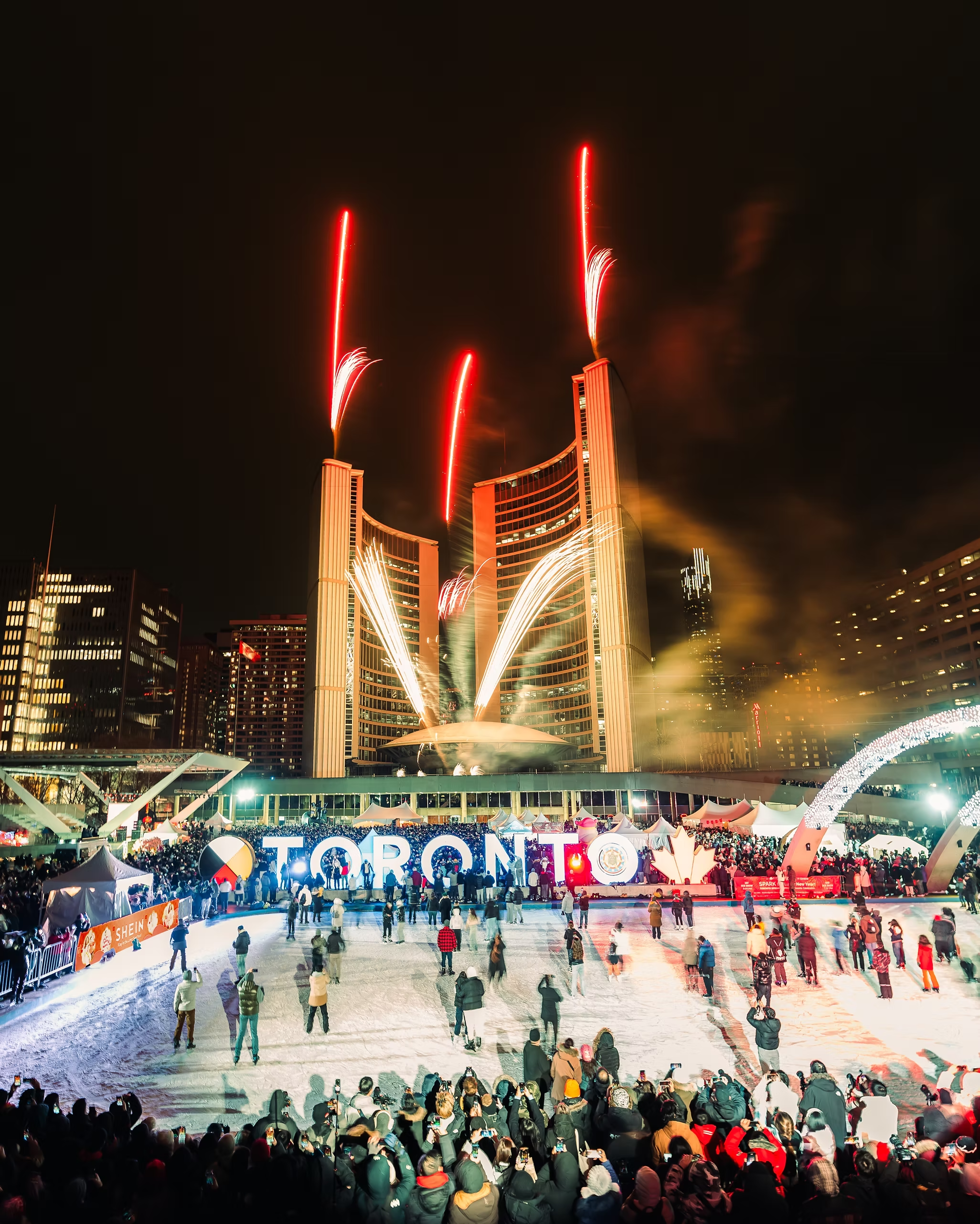
Toronto Spring Festival 2027 is planned for Nathan Phillips Square, Toronto City Hall. February 5 is setup; public activities are planned for February 6-7. A restaurant, cafe or beverage business considering a vendor-paid space can start with a focused non-alcoholic drinks proposal.
This guide is not an announcement of an accepted vendor, approved menu or available beverage concession. Selling drinks to visitors is different from providing catering purchased by the organizer. State which arrangement you propose and wait for written acceptance before announcing participation.
1. Make the menu easy to review
List each proposed drink, serving size, intended selling price and ingredients. Explain which items are served hot or cold, where ingredients are prepared and what finishing happens on site. A short menu makes the discussion about equipment and service more concrete.
For this type of proposal, identify drinks that contain no alcoholic components. Do not assume a familiar cocktail name, a garnish or a house-made syrup tells the reviewer everything about the recipe. Share relevant product and ingredient details and flag substitutions. A non-alcoholic proposal does not establish permission for alcohol sales or a licensed service area.
2. Test the complete customer journey
Run a small service trial with your planned staff and equipment: ordering, payment, preparation, finishing and collection. Record completed orders and the conditions of the test. Use the result to simplify a slow step rather than treating a best-case trial as guaranteed festival capacity.
Decide where customers wait, where finished drinks are collected and how staff replenish supplies without crossing the queue. Consider practical carrying and spill handling. Bring a clear counter layout to the organizer discussion; a proposed footprint is not a reserved corner or a confirmed location.
3. Match appliances to the proposed space
List kettles, urns, refrigerators and other appliances individually, with their stated electrical requirements. Describe any water, storage, cleaning or waste-handling needs. The Booth page separates ready-to-eat service from categories involving cooking or heating; do not choose a category on price alone or assume listed power supports every appliance.
Ask the organizers to review the proposed preparation method, equipment and booth category together before you order equipment. Identify what you would change if an electrical connection, replenishment route or storage arrangement is unsuitable. Do not assume indoor placement or heating is confirmed for your particular setup.
4. Prepare for winter and request the vendor package
Toronto Public Health advises vendors to obtain the event vendor package early and discuss water and power arrangements with organizers. Its guidance also covers food preparation sources, handwashing and winter transport. Review the current official guidance for your operation rather than treating cold weather or a simple menu as a substitute for food-safety planning.
Explain how your team would transport ingredients, replenish stock, protect equipment and maintain service during outdoor winter conditions. Ask which documents and operating details the organizing team needs, who reviews them and what must be resolved before acceptance. Submitting a certificate is not the same as its verification.
5. Keep the commercial decision separate from the receipt
Use the shared 2027 application with your business contact, proposed menu, setup and equipment needs. If you have already applied, refer to that application when sending a revised proposal rather than creating duplicate submissions. Contact info@torontospringfestival.ca for participation questions.
According to figures provided by the organizer, previous editions attracted approximately 60,000-80,000 attendees. The organizer expects a similar scale in 2027; this is a forecast, not guaranteed attendance.
Confirm the final booth category, fee, taxes, dates covered, inclusions, payment timing and cancellation terms in writing. An automatic application receipt is not a booking, final quote or request for payment. Plan stock and staffing cautiously: no inquiry or application guarantees visitors at your counter, sales or a return on costs.
Sources and event updates
Official festival information, Booth categories and Toronto Public Health guidance reviewed on October 27, 2026. The setup/public-day distinction is organizer-confirmed. Menu and service questions are editorial planning guidance, not an approved product list, legal advice, food-safety approval, alcohol permission, confirmed facilities or guaranteed results. Participation and final commercial terms require organizer review and written agreement.
Official 2027 festival information
Current Booth categories and information